Most dryer problems come down to a short list of usual suspects: a clogged lint filter or exhaust vent, a blown thermal fuse, a worn drive belt, or a heating element that’s finally given out. This guide sorts common failures by symptom, so you can jump straight to the section that matches what your dryer is actually doing instead of working through a generic checklist.
Every symptom page below ranks causes by how often they turn out to be the real problem, includes at least one test you can run before buying any parts, and tells you plainly when a fix is a five-minute job versus when it’s time to call a professional. Gas and electric dryers share most mechanical parts (drum, belt, rollers) but differ on the heat source, so we flag it wherever that distinction matters.
Dryer Not Heating
A dryer that tumbles normally but leaves clothes just as wet as when they went in almost always points to a blown thermal fuse or a clogged vent restricting airflow, not a failed heating element. Start with Dryer Not Heating: Causes Ranked by Likelihood for the full diagnostic order before assuming you need a replacement part. Brand-specific guides are also available for Whirlpool, GE, Samsung, LG, and Maytag dryers.
Dryer Squeaking
A rhythmic squeak or chirp that speeds up with the drum is almost always a worn drum support roller or a glazed drive belt, both wear items on any dryer with enough hours on it. See Dryer Squeaking: Causes Ranked by Likelihood for the full breakdown, including how to tell a roller problem from a belt problem without pulling the dryer apart first.
Dryer Not Spinning
If the dryer runs and you can hear the motor, but the drum itself won’t turn, a snapped drive belt is the most likely culprit. See Dryer Not Spinning: Causes Ranked by Likelihood for the full diagnostic order, including the door switch and idler pulley checks most people skip.
Dryer Takes Too Long to Dry
A dryer that eventually gets clothes dry, just very slowly and often hot to the touch on the outside, is the classic sign of restricted airflow rather than a broken part. Details: Dryer Takes Too Long to Dry: Causes Ranked by Likelihood. This is also the symptom most closely tied to fire risk, so don’t put off checking the vent.
Dryer Shuts Off After a Few Minutes
A dryer that stops completely a few minutes into a cycle, not just running without heat, points to a safety cutoff rather than a broken part. See Dryer Shuts Off After a Few Minutes: Here’s Why to check the thermal fuse and door switch before anything else.
Dryer Vent Cleaning and Fire Safety
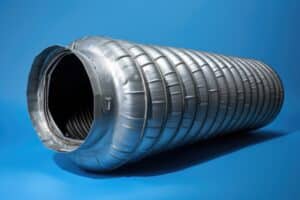
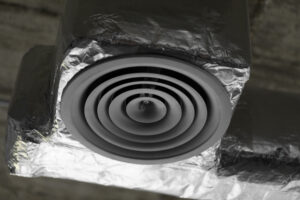
Lint buildup in the exhaust vent is the leading cause of home clothes dryer fires in the United States, and it’s also the single most common reason for slow drying, overheating, and premature thermal fuse failures. Our dryer vent cleaning and fire safety guide covers how often to clean it, the warning signs of a blocked vent, and how to do the job safely.
Preventive Maintenance
Clean the lint filter before every single load, not just when it looks full; a thin invisible film of fabric softener residue restricts airflow just as much as visible lint. Check the full exhaust vent run for lint buildup at least once a year, more often if it’s long, has bends, or feeds through a wall to the outside. Keep at least an inch of clearance around the dryer for airflow, and never run a dryer with the vent hood flap taped open or blocked by snow, leaves, or a bird’s nest. If you notice the outside of the dryer running hotter than usual, clothes coming out smelling like burning dust, or the drying cycle taking noticeably longer than it used to, treat it as an early warning sign of a restricted vent rather than something to ignore.
Repair or Replace?
As a rule of thumb, if your dryer is under 8 years old and the repair costs less than half of what a comparable new mid-range dryer would cost (roughly $450–$800 as of 2026), repairing almost always wins. Thermal fuses, belts, rollers, and even a heating element replacement typically stay well under that threshold. Past the 10-year mark, or after a motor or control board failure, a replacement usually makes more financial sense. Each symptom page above includes a repair-or-replace section with cost ranges specific to that failure. For the full cost breakdown by failure type, see our dryer repair cost guide.
When to Call a Professional
Call a qualified appliance technician if you have a gas dryer and smell gas, if the fix involves household wiring beyond unplugging the unit, if you see scorch marks or smell burning near the motor or heating element, or if a blocked vent doesn’t clear with a standard brush kit and needs professional duct-cleaning equipment. None of the diagnostics on this site are a substitute for a professional opinion when something feels genuinely wrong, and gas dryer repairs beyond basic maintenance should generally go to a licensed technician.
Frequently Asked Questions
How often should I clean my dryer vent?
At least once a year for a short, straight run to the outside; twice a year or more if the run is long, has several bends, or you dry heavily-linting loads like towels often.
Is it normal for a dryer to get hot on the outside?
The top and control panel can feel warm, but if the cabinet is hot to the touch or the room heats up noticeably during a cycle, that's usually a sign of restricted airflow, not normal operation.
Can I use my dryer while I wait to fix a problem?
For squeaking or slow drying, usually yes in the short term. For no heat, a tripped thermal fuse, or any burning smell, stop using it until you've diagnosed the cause.
Do gas and electric dryers fail differently?
The drum, belt, rollers, and thermal fuse are shared parts and fail the same way on both. The heat source differs: electric dryers rely on a heating element and a 240-volt circuit, while gas dryers use an igniter and gas valve, which should be serviced by a qualified technician.
The information provided here is a diagnostic aid and does not replace the intervention of a qualified professional.