If your dryer takes two cycles to dry a load that used to take one, or the outside vent flap barely moves when it’s running, lint has likely built up somewhere in the duct. This isn’t just an efficiency problem, a blocked vent is the single most common cause of home dryer fires.
This sits alongside our full dryer troubleshooting guide. If drying time is the only issue and the vent already looks clear, see dryer takes too long to dry.
Quick Diagnosis Table
| Cause | Likelihood | Difficulty | Typical Cost |
|---|---|---|---|
| Lint buildup inside the duct | Very likely | Easy–Moderate | $0–20 |
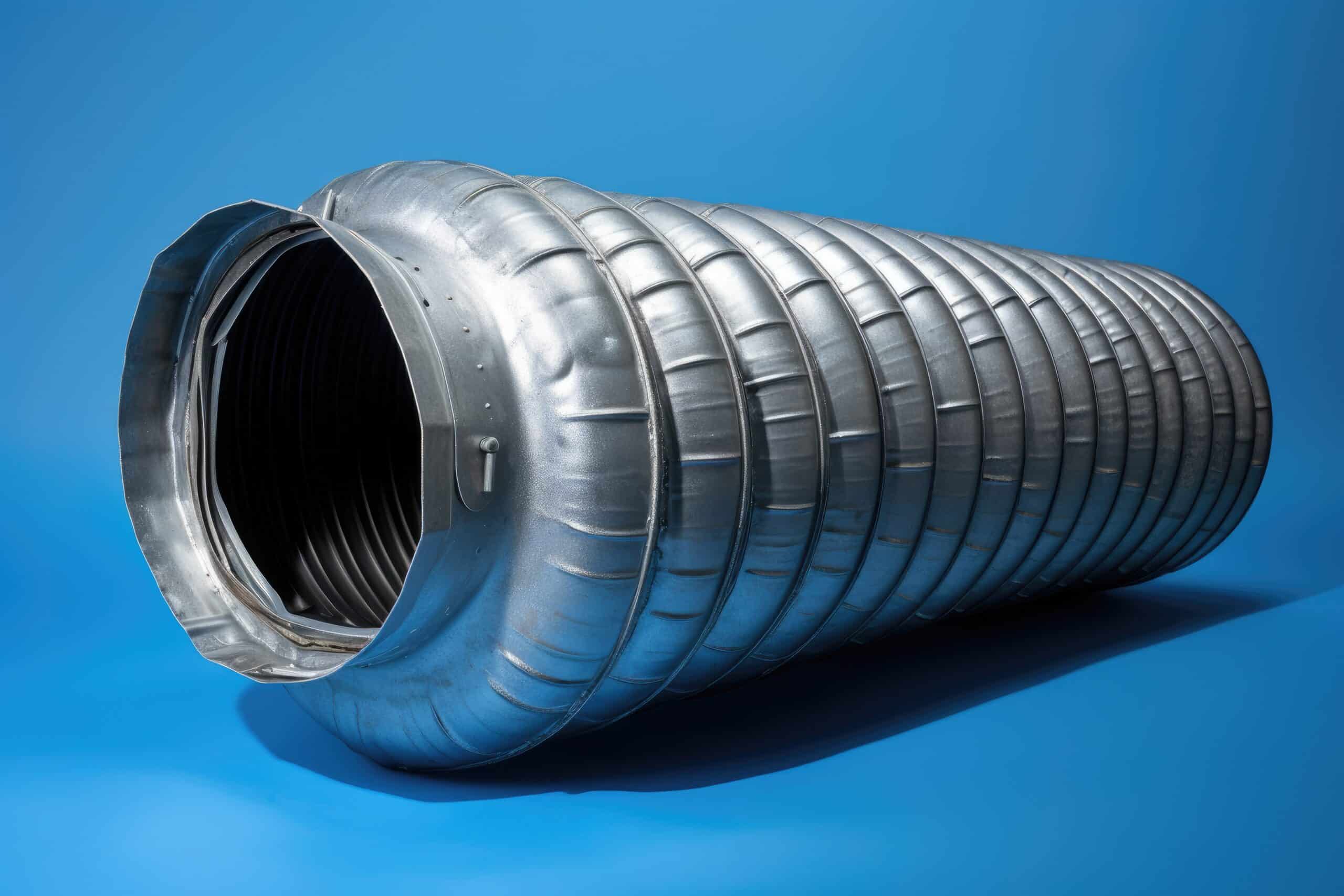
| Crushed or kinked duct section | Likely | Moderate | $15–40 |
| Outside vent flap clogged with lint or debris | Likely | Easy | $0 |
| Duct run too long or with too many bends | Possible | Moderate–Professional | $50–150 |
| Bird or rodent nest blocking the exterior vent | Possible | Easy–Moderate | $0–30 |
| Lint trap damaged, letting lint past it | Rare | Easy | $10–20 |
Repair or Replace?
This is maintenance, not really a repair-or-replace decision. The relevant comparison is the cost of an annual cleaning, often free if you do it yourself, or $100–200 for a professional duct cleaning, against the real risk: the U.S. Fire Administration attributes roughly 2,900 home clothes dryer fires a year to failure to clean, with lint as the leading item first ignited.
Vent duct diameter and lint trap access differ somewhat by brand and model. Whirlpool, GE, Samsung, LG, and Maytag all recommend cleaning the full duct run at least once a year regardless of design.
Frequently Asked Questions
How often should I actually clean the vent duct, not just the lint trap?
At least once a year for most households, more often if you dry frequently, have a long or bent duct run, or notice drying times creeping up.
Is cleaning the lint trap before every load enough?
No, the lint trap only catches what's inside the dryer drum area. Lint that gets past it accumulates in the duct itself, which the trap can't address.
How do I know if my vent is dangerously clogged right now?
Warning signs include a burning smell during drying, the dryer running noticeably hotter than usual, clothes still damp after a full cycle, and the outside vent flap not opening much when the dryer runs.
Can I clean a long duct run myself?
Short, straight runs are manageable with a vent brush kit. Long runs, over about 25 feet, or ones with several bends are safer left to a professional duct cleaning service with the right length of equipment.
None of the above is a substitute for a professional inspection if you’re at all unsure about doing this yourself.