HomeGuides

Dryer Vent Cleaning and Fire Safety Guide

Dryer Vent Cleaning and Fire Safety Guide

Lint buildup in the exhaust vent is the leading cause of home clothes dryer fires. Here’s how often to clean it, the warning signs, and how to do it safely.

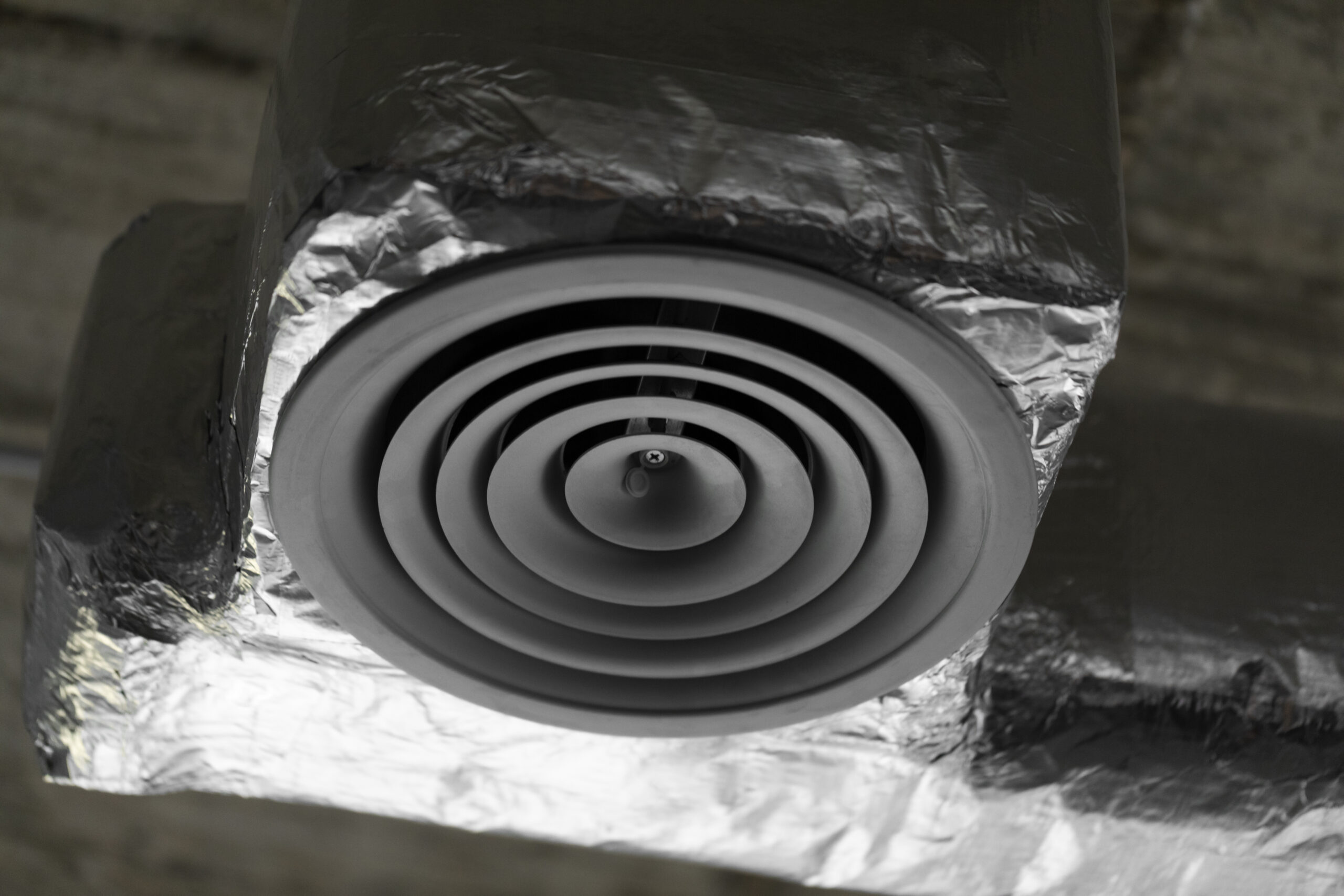
Close-up of a dryer vent duct, illustrating vent cleaning and fire safety

Lint buildup in the dryer exhaust vent is the leading cause of home clothes dryer fires in the United States, according to fire safety agencies that track home appliance fires. It’s also, by a wide margin, the most common reason for slow drying, overheating, and premature thermal fuse failures covered elsewhere on this site. Cleaning it is inexpensive, doesn’t require special skills, and meaningfully reduces both risks at once.

This is different from cleaning the lint filter, which should happen before every load. The exhaust vent is the full duct run from the back of the dryer to the outside wall or roof cap, and it needs attention on a schedule measured in months, not loads. If you’ve landed here from a dryer troubleshooting page, especially not heating or taking too long to dry, this is very likely part of the fix.

Steps

  1. Unplug the dryer (or shut off the gas supply too, for gas models) and pull it away from the wall.
  2. Disconnect the vent hose from the back of the dryer and vacuum out any lint inside the dryer's exhaust port.
  3. Vacuum or run a vent brush kit through the full length of the hose or duct, working from both ends toward the middle if it's a long run.
  4. Go outside and check the exterior vent hood: clear any lint, debris, or nesting material, and confirm the flap opens and closes freely.
  5. Reconnect the vent hose securely with clamps (avoid duct tape directly on flexible foil venting, which degrades over time), then push the dryer back and plug it in.
  6. Run a test cycle and confirm you feel strong airflow at the exterior vent hood while it's running.

Warnings

  • Never use plastic or vinyl flexible vent hose: it's a fire hazard and is banned by code in most areas. Use rigid or semi-rigid metal duct instead.
  • If you find birds, nests, or an animal blockage in the exterior vent, clear it before running the dryer again.
  • If the vent run is long, has multiple bends, or you're not comfortable accessing the exterior termination point, hire a professional dryer vent cleaning service instead.

Maintenance tips

  • Keep the exterior vent run as short and straight as possible; every bend adds resistance and traps more lint.
  • If you notice the dryer running hotter than usual, taking much longer to dry, or clothes smelling faintly of burning dust, treat it as an early warning sign and check the vent sooner than your regular schedule.
  • Consider a vent-clog alarm or indicator, available as an inexpensive add-on for older dryers that lack a built-in airflow warning.

Dans ce guide

In this guide

  • Vacuum with a hose attachment
  • Dryer vent brush kit (flexible rod with a brush head)
  • Screwdriver
  • Flashlight
  • Duct tape or clamps for reassembly
Sam Radford — DiagnosFix

Sam Radford — DiagnosFix

Technical reviewer

Last verified: 2026-07-19

Before you start

Unplug the appliance, shut off the water supply if relevant, and stop immediately if you smell burning. If in doubt, call a qualified professional.