HomeGuides

Dishwasher Drain Pump: How to Test It, Replace It, and What It Should Cost

Dishwasher Drain Pump: How to Test It, Replace It, and What It Should Cost

A full walkthrough of testing a dishwasher drain pump with a multimeter, replacing it yourself, and what the repair should reasonably cost in parts and labor.

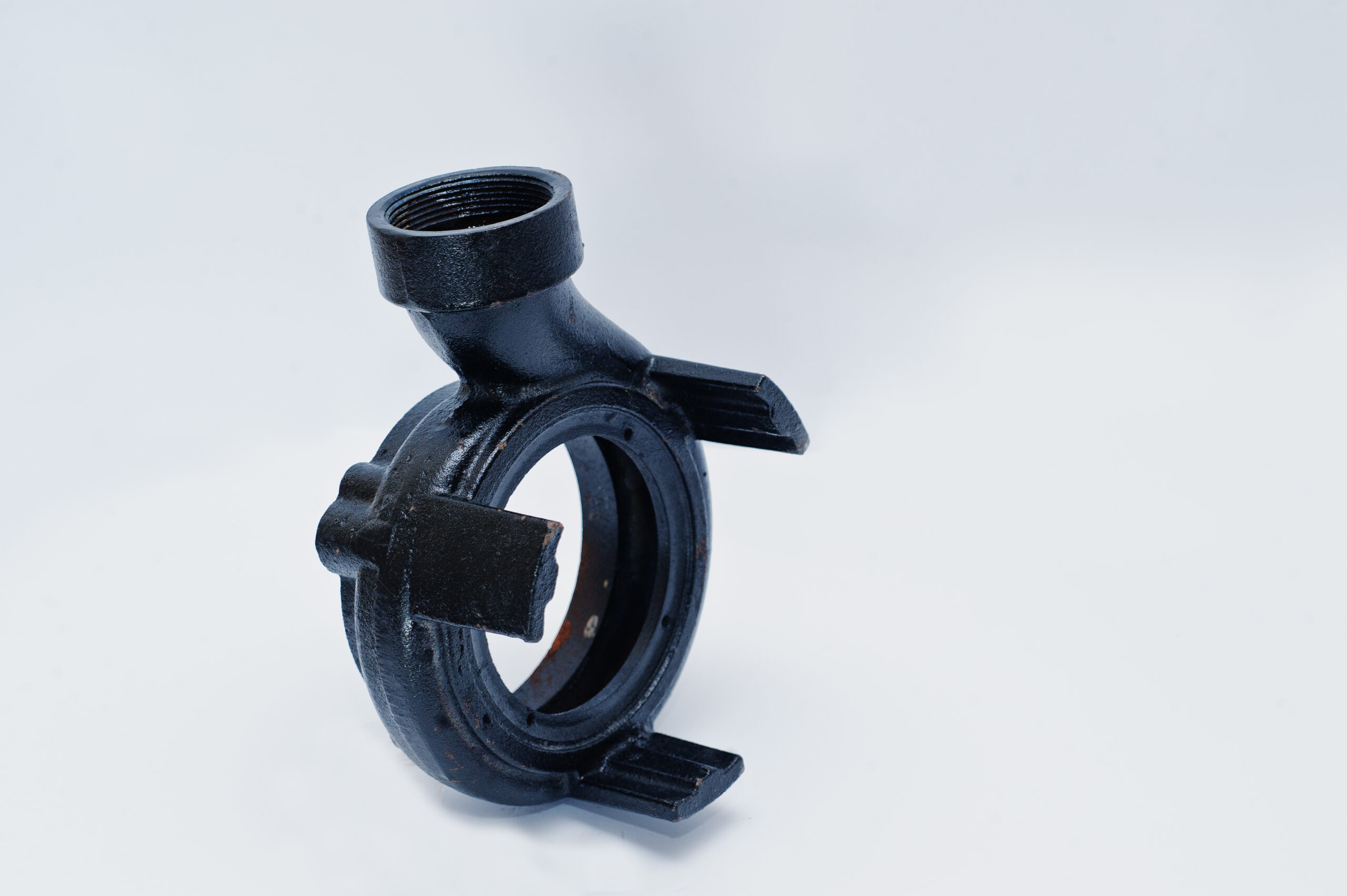
Water pump spare part isolated on white, similar to a dishwasher drain pump
Difficulty
Intermediate

The drain pump is the small motor that pushes wastewater out of the tub at the end of every cycle. It’s one of the few components genuinely worth understanding before it fails — a bad pump gets blamed for problems it didn’t cause more often than you’d expect, and a good pump sometimes gets replaced unnecessarily as a result. This guide covers testing it accurately, replacing it if the test confirms failure, and what a fair price looks like.

If your dishwasher isn’t draining at all, start with our dishwasher not draining guide first — most no-drain cases turn out to be a clogged filter or hose, not the pump. Come back here once you’ve ruled those out, or if our follow-up guide pointed you specifically at the pump.

This guide is part of our full dishwasher troubleshooting hub.

What a Drain Pump Replacement Should Cost

ApproachTypical CostTime
DIY — parts only$25–7530–60 minutes
Professional installation$150–300 total (parts + labor)Usually same-day

The part itself is inexpensive on almost every mainstream brand. What varies is labor: accessing the pump means partially disassembling the interior on some models and simply removing a kickplate on others, so it’s worth getting a quote before assuming a number.

Frequently Asked Questions

How do I find my dishwasher's exact model number?

It's usually on a sticker along the edge of the door or inside the door frame, visible when the door is open — you'll need it to order the correct pump.

Can I use a universal drain pump instead of an OEM part?

Some universal or aftermarket pumps work well and cost less, but fit and wiring connectors vary — check reviews for your specific model before buying one to avoid a return.

What does it mean if the pump hums but doesn't drain?

A humming pump that doesn't move water usually has a jammed impeller rather than a dead motor — check for a lodged object before replacing the part.

Is replacing a drain pump covered by a home warranty?

Often yes, if you have an active home warranty or appliance protection plan — check your policy before paying out of pocket, since drain pumps are a commonly covered repair.

How long does a drain pump typically last?

Most last the lifetime of the dishwasher, around 9 to 12 years, under normal use. Frequent hard debris going down the drain — bone fragments, produce stickers, glass shards — shortens that considerably.

The information provided here is a diagnostic aid and does not replace the intervention of a qualified professional.

Steps

  1. Unplug the dishwasher and shut off its water supply before doing anything else.
  2. Remove the lower rack, spray arm, and filter assembly to access the sump area where the pump sits on most models.
  3. Photograph the wiring harness at the pump before disconnecting it, then unplug the connector.
  4. Set your multimeter to resistance (ohms) and touch a probe to each of the pump's two terminals.
  5. Compare the reading to your model's spec if available; as a general reference, many dishwasher drain pump motors read around 130 to 150 ohms when healthy.
  6. A reading of zero ohms or OL/infinite both confirm the pump has failed and needs replacing; a plausible in-range reading suggests the fault lies elsewhere.
  7. To replace a confirmed-failed pump, remove the mounting screws or twist-lock ring securing it to the sump, disconnect the drain hose fitting, and lift the pump out, noting the gasket underneath.
  8. Install the new pump in reverse order, reconnect the wiring harness exactly as photographed, and run a short cycle to confirm normal draining before reassembling the rest of the interior.

Warnings

  • Always disconnect power at the outlet or breaker, not just at the dishwasher's control panel, before touching any wiring.
  • Never test a component while the dishwasher is plugged in — continuity tests must be done with power fully disconnected.
  • If the sump gasket or seal is damaged during removal, replace it; reusing a damaged seal is the most common cause of a leak appearing right after a pump swap.

Maintenance tips

  • Buy a pump rated for your exact model number, not just your dishwasher's brand — pump specs vary even within the same product line.
  • Test twice, a few minutes apart, if your first reading is borderline — a marginal pump can sometimes give an inconsistent reading.
  • Keep the old pump until you've confirmed the new one solved the problem, in case the actual fault turns out to be electrical rather than mechanical.

Dans ce guide

In this guide

  • Multimeter
  • Nut driver or socket set
  • Towels
  • Replacement pump (only after testing confirms failure)
  • Phone camera to document wiring
Sam Radford — DiagnosFix

Sam Radford — DiagnosFix

Technical reviewer

Last verified: 2026-07-17

Before you start

Unplug the appliance, shut off the water supply if relevant, and stop immediately if you smell burning. If in doubt, call a qualified professional.