The most common cause of a leaking refrigerator is a clogged or frozen defrost drain, not a cracked water line. Where the puddle actually forms tells you most of what you need to know before opening a panel.
You can find the complete refrigerator troubleshooting guide here for other symptoms. If the water is coming specifically from the ice maker area rather than pooling under the crispers or on the floor, also check our Ice Maker Not Working guide for supply line issues.
Quick Diagnosis Table
| Cause | Likelihood | Difficulty | Typical Part Cost |
|---|---|---|---|
| Clogged or frozen defrost drain | Very likely | Easy | $0 |
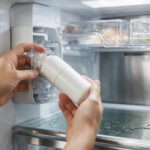
| Water filter not fully seated or cracked | Likely | Easy | $20–50 |
| Loose or cracked water supply line | Likely | Easy to moderate | $10–30 |
| Door seal letting in humid air (condensation) | Possible | Easy | $20–50 |
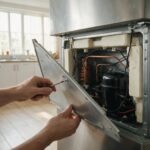
| Cracked or overflowing drip pan | Possible | Easy | $15–40 |
| Water inlet valve leaking internally | Possible | Moderate | $30–60 |
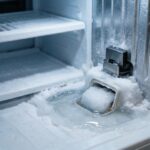
| Excess evaporator ice blocking the drain | Rare | Moderate to professional | $0–100 |
Repair or Replace?
Almost every cause here is a $0–50 fix you can do yourself in under half an hour. A leaking water inlet valve is the costliest common cause, and at $30–60 for the part it’s still worth repairing on any refrigerator under 10 years old rather than replacing the whole unit.
Whirlpool, GE, Samsung, LG, Bosch, KitchenAid, Frigidaire, and Maytag all place the defrost drain and drip pan a little differently, and brand-specific versions of this guide aren’t published yet. If the fridge also feels warm rather than just wet, check Refrigerator Not Cooling as well, since a failing door seal often causes both.
Frequently Asked Questions
Where exactly is the defrost drain?
It's a small hole in the back wall of the freezer compartment, usually near the bottom, that channels defrost water down to a drip pan above the compressor. Consult your manual for the exact spot on your model.
How do I clear a clogged or frozen defrost drain?
Pour a cup of warm (not boiling) water into the drain hole using a turkey baster or funnel. If it's frozen solid, a hair dryer on low, held a safe distance away, can help melt the blockage first.
Water is pooling under my crisper drawers specifically, what does that mean?
That's a classic sign of a clogged defrost drain: the melted frost has nowhere to go and backs up into the fresh food compartment instead of draining to the pan below.
Is it normal to see a little water under the fridge after replacing the water filter?
A few drops during the swap are normal. Ongoing dripping afterward usually means the filter housing wasn't seated all the way, or the O-ring seal is damaged.
Could the leak just be condensation and not a real leak?
Yes, especially in humid weather or if the door was left ajar. Check the door seal with a dollar-bill test before assuming there's a plumbing-style leak somewhere.
This guide is meant to help you diagnose the issue; it isn’t a stand-in for a qualified repair technician.