Sparks or flashes inside a microwave are alarming, but the two most common causes, metal in the cavity and a carbonized waveguide cover, are both things you can check and fix yourself in a few minutes. A failing internal component is possible but far less likely than something as simple as a stray twist tie or built-up grease.
You’ll find the rest of our microwave coverage in the full microwave troubleshooting guide.
Quick Diagnosis Table
| Cause | Likelihood | Difficulty | Typical Part Cost |
|---|---|---|---|
| Metal inside the cavity (foil, twist ties, metallic trim) | Very likely | Easy (no tools) | $0 |
| Grease-soaked or carbonized waveguide cover | Very likely | Easy | $10–20 |
| Food debris built up on cavity walls or ceiling | Likely | Easy (no tools) | $0 |
| Damaged or chipped interior enamel exposing bare metal | Possible | Professional recommended | Varies |
| Failing magnetron | Rare | Professional required | $50–120 |
Repair or Replace?
Clearing metal objects and food debris costs nothing, and a replacement waveguide cover is one of the cheapest parts in the whole appliance. Both are worth doing before considering anything else. Chipped interior enamel that exposes bare metal is a repair a technician can sometimes patch, but on an older unit it’s often simpler to replace the microwave outright rather than pay for cavity refinishing. A magnetron failure causing arcing is rare and, on most microwaves over 6 to 8 years old, not worth repairing at $50 to $120 in parts plus labor.
Frequently Asked Questions
Is it safe to keep using my microwave if it's sparking?
No. Stop using it immediately and unplug it. Severe or repeated arcing can ignite grease splatters or plastic components inside the cavity.
What is the waveguide cover and why does it cause sparking?
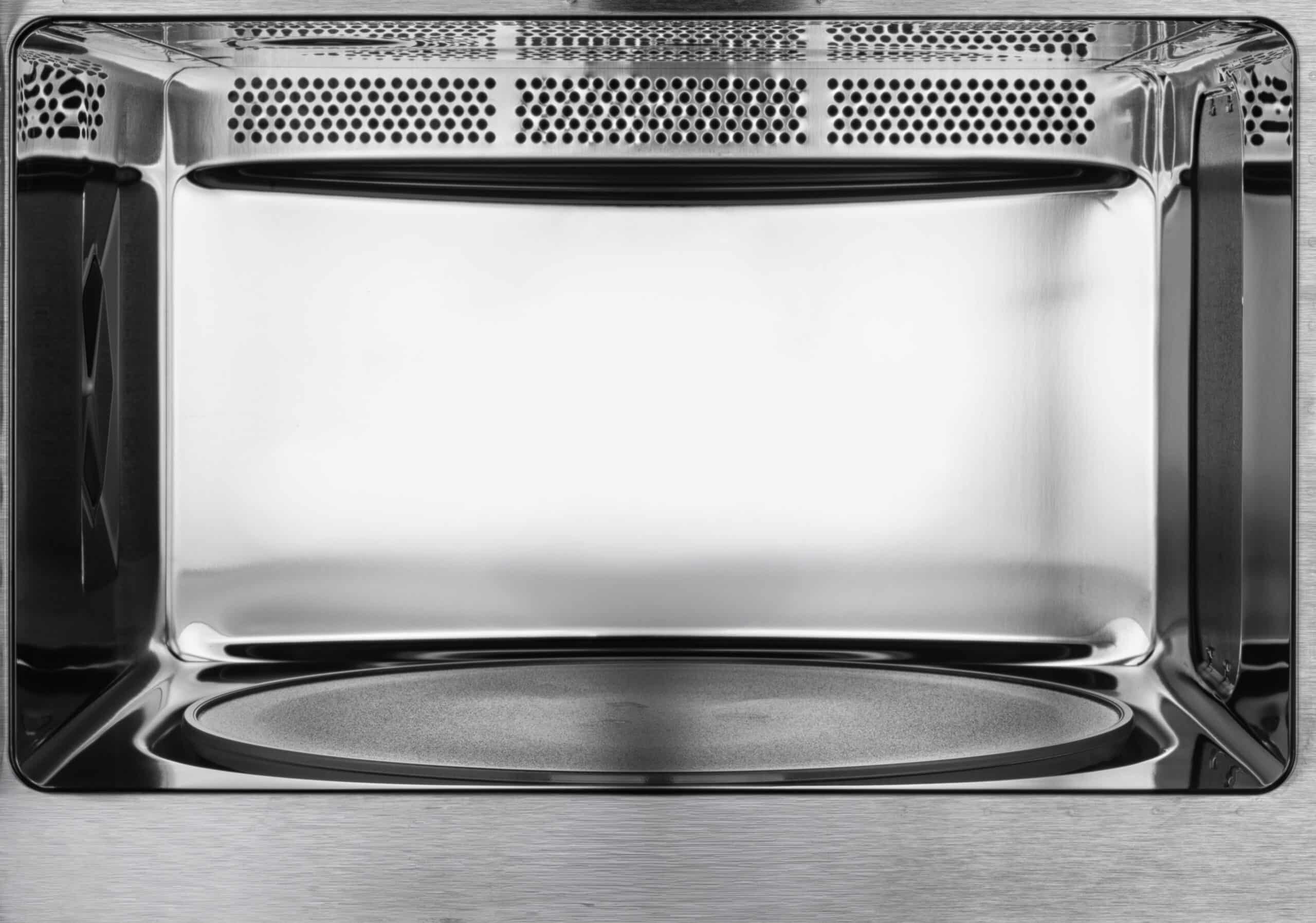
It's a thin mica or plastic sheet covering the opening where microwave energy enters the cavity. Grease and food splatter onto it over time; when reheated repeatedly, that residue carbonizes into a conductive layer that arcs. Replacing the cover, not the whole microwave, usually solves it.
Can I run my microwave without the waveguide cover while I wait for a replacement?
No. Running it without the cover exposes the high-voltage components behind it to moisture and food debris, which can destroy the magnetron and turn a cheap repair into an expensive one.
What metal items commonly cause sparking that people don't expect?
Twist ties, the metallic trim on some plates or mugs, aluminum foil, and even certain paper towels with metallic-looking print can all trigger arcing.
If I clean the cavity and remove all metal but it still sparks, what's next?
Inspect the interior walls and ceiling for chipped enamel or exposed metal. If none is visible and the sparking continues, have a technician check the magnetron and waveguide assembly.
Does sparking always mean the microwave is unsafe permanently?
No. Most cases are fixed by removing metal or replacing a $10 to $20 waveguide cover. The microwave is safe to use again once the cause is addressed and no further arcing occurs during a test run.
Treat this as a starting point for diagnosis, not a substitute for a licensed repair professional.